On This Page
What is AI Citability and Why it Matters in 2026
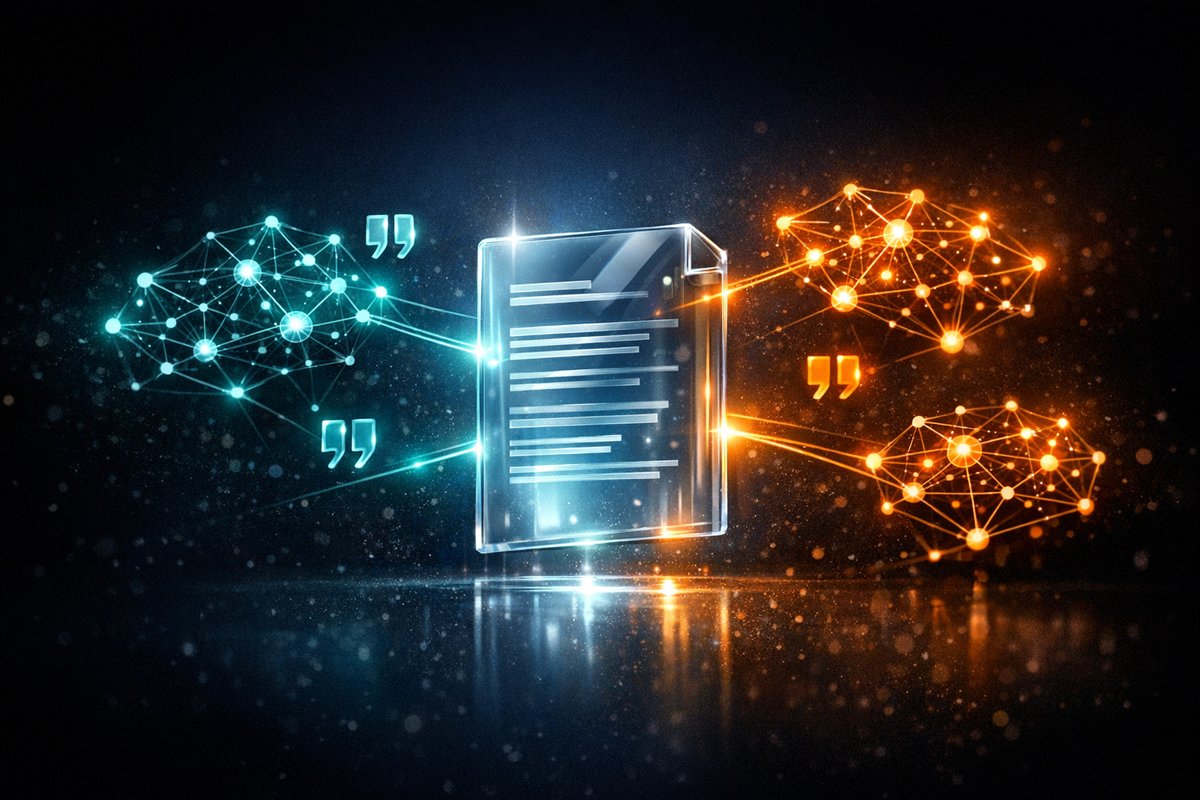
AI citability is your content being discovered, evaluated, and cited by AI systems. When you ask ChatGPT, Claude, or Gemini a question, the AI can cite your content in its answer. That citation = visibility, authority signal, and potential referral traffic.
Think of AI citability as the next evolution of search visibility. In 2020-2025, SEO meant ranking in Google. In 2026+, SEO means ranking + being discoverable in AI outputs.
The Three Types of AI Discovery
- Training Data Discovery: Your content was included in the AI's training data (2023-2024 cutoff). The AI "knows" about your expertise.
- Real-Time Web Search: ChatGPT (with search), Gemini, Claude's web access can retrieve your content on-demand during response generation.
- Structured Data & Indexing: LLMs.txt files, robots.txt rules, schema markup signal to AI systems which content is available and worth citing.
How AI Models Evaluate & Cite Your Content
AI systems don't rank like Google does. Google uses 200+ ranking factors. AI uses a different process: relevance scoring, authority assessment, and citation probability.

AI Citability Factors (What We Know)
- Content Relevance: How well your content matches the query. More specific = higher relevance.
- Authority Signals: Domain authority, backlinks, brand mentions, social proof (reviews, citations from other authoritative sources)
- E-E-A-T Indicators: Author credentials, publication date, update frequency, factuality checks, expert consensus
- Crawlability & Accessibility: Clean URLs, no paywalls (unless you're premium), structured data (schema markup), clear site architecture
- Freshness & Comprehensiveness: Recent updates signal active maintenance. Comprehensive coverage (1500+ words on a topic) beats thin content.
The Citation Probability Formula (Simplified)
AI systems calculate: Is this source relevant? Is it authoritative? Is it accessible? If yes to all three, it gets cited.
- High relevance + High authority + Accessible = Cited in response
- High relevance + Low authority + Accessible = Mentioned but not cited
- High relevance + High authority + Behind paywall = Mentioned but not linked
Building E-E-A-T for AI Systems
E-E-A-T (Experience, Expertise, Authoritativeness, Trustworthiness) is Google's framework, but AI systems use similar principles.
Experience Signals
- Author bio with credentials ("10+ years in SEO," "Certified XYZ")
- Case studies with real data / results
- First-person insights ("We tested this and found…")
- Original research or surveys
Expertise Signals
- Depth of content: 2000+ word guides on core topics
- Topic clusters: 10-15 related posts establishing authority on a topic
- Technical accuracy: Links to sources, data citations, expert quotes
- Updates & corrections: Show that you maintain and improve content over time
Authoritativeness Signals
- Backlinks from authoritative sources (media mentions, industry recognition)
- Author credentials: Published elsewhere, speaking at conferences, industry recognition
- Brand presence: Established company, not a new site
- Third-party validation: Awards, certifications, testimonials from known brands
Trustworthiness Signals
- Clear author attribution: Who wrote this? When? Last updated when?
- Source transparency: Cite your sources, link to data/research
- Correction policy: Show that you fix errors quickly and transparently
- Privacy & security: HTTPS, clear privacy policy, secure contact forms
10 Strategies to Improve AI Citability
Strategy 1

Topical Authority
Strategy 2
Author Credentials
Strategy 3
Content Updates
Strategy 4
Original Research
Strategy 5
AI Web Search
Strategy 6
llms.txt File
Strategy 7
Topic Linking
Strategy 8
Source Citation
Strategy 9
FAQ Schema
Strategy 10
Quality Backlinks
🎯 Goal: Implement all 10 strategies = High AI citability, consistent mentions in Claude/ChatGPT/Gemini outputs, referral traffic from AI systems.
1. Build Topical Authority (Clusters Over Silos)
Instead of random blog posts, create topic clusters: 1 pillar post + 8-12 cluster articles on related subtopics. AI systems reward depth. "Top 10 SEO blogs" beats "10 random marketing tips."
2. Add Author Credentials & E-E-A-T Markup
Include author schema markup with credentials. Example:
<script type="application/ld+json">
{
  "@type": "Person",
  "name": "Sarah Jones",
  "jobTitle": "SEO Specialist",
  "sameAs": "https://linkedin.com/in/sarahjones/",
  "knowsAbout": ["SEO", "Link Building", "Content Strategy"]
}
</script>
3. Update Content Regularly (Every 3-6 Months)
AI systems favor updated content. Add "Last updated: [date]" to articles. Make visible changes (add new data, update examples, add new sections) so Google and AI systems detect freshness.
4. Include Original Research or Data
Create original surveys, case studies, or data analysis. "We surveyed 500 SA businesses and found X" = citable. AI loves original data.
5. Optimize for Real-Time AI Web Search
Ensure your content is crawlable by AI systems:
- Robots.txt allows crawling
- No paywalls (or clearly marked premium sections)
- Sitemap.xml is updated
- Clean, descriptive title tags & meta descriptions
6. Create an llms.txt File
New standard for AI accessibility. Create `/llms.txt` on your root domain:
/llms.txt
# NexusSEO Content for AI Systems
Based in: South Africa
Specialties: SEO, Link Building, AI Citability
Best sources:
- Blog: https://nexusseo.co.za/blog/
- Topic clusters: Link building, On-page SEO, Technical SEO
Contact: hello@nexusseo.co.za
7. Cross-Link Topic Clusters
Link between related articles with descriptive anchor text. Helps AI understand relationships between topics.
8. Cite Other Authoritative Sources
Link to Google, Ahrefs, research papers, industry standards. When you cite others, AI systems recognize you're fact-checking and building on established knowledge.
9. Add FAQ Schema Markup
FAQs are highly citable because they're directly answerable. Add JSON-LD FAQ schema:
<script type="application/ld+json">
{
  "@type": "FAQPage",
  "mainEntity": [{
    "@type": "Question",
    "name": "What is AI citability?",
    "acceptedAnswer": {
      "@type": "Answer",
      "text": "AI citability is..."
    }
  }]
}
</script>
10. Build Backlinks from Authoritative Sources
Backlinks still matter for AI systems. Focus on quality over quantity. One link from a Tier-1 publication (Business Day, Fin24) beats 50 directory links.
Measuring AI Citability & Impact
AI citability is young. Most tracking tools don't exist yet. Here's how to measure:
Manual Auditing
- Ask Claude, ChatGPT, Gemini the same question 5 times. Do they cite your content?
- Track which of your articles get cited. Identify patterns (length, topic, freshness).
- Compare your articles to competitors. Who gets cited more?
AI Citability Metrics to Watch
- Citation Frequency: How often does your brand appear in AI responses?
- Citation Accuracy: Is the AI citing you correctly or misquoting?
- Referral Traffic from AI: Track clicks from Claude, ChatGPT, etc. (add UTM params to links in your content)
- Topic Authority Score: How many of your posts on a topic get cited vs. competitors?
Frequently Asked Questions
Will AI citability replace Google SEO?
No. Google still sends the large majority of organic traffic. AI is a new channel, not a replacement. Think of it as SEO 2.0: optimize for both Google AND AI systems.
How do I know if AI systems are crawling my site?
Check your server logs for requests from Claude, ChatGPT, Gemini bots (Claude-Web, ChatGPT-User, Googlebot, etc.). Most modern AI tools respect robots.txt and announce themselves.
Should I block AI crawlers in robots.txt?
No-unless you want to prevent training data inclusion. Blocking helps you opt-out of AI training datasets, but it also prevents discovery in AI outputs. Most sites should allow AI crawling for visibility.
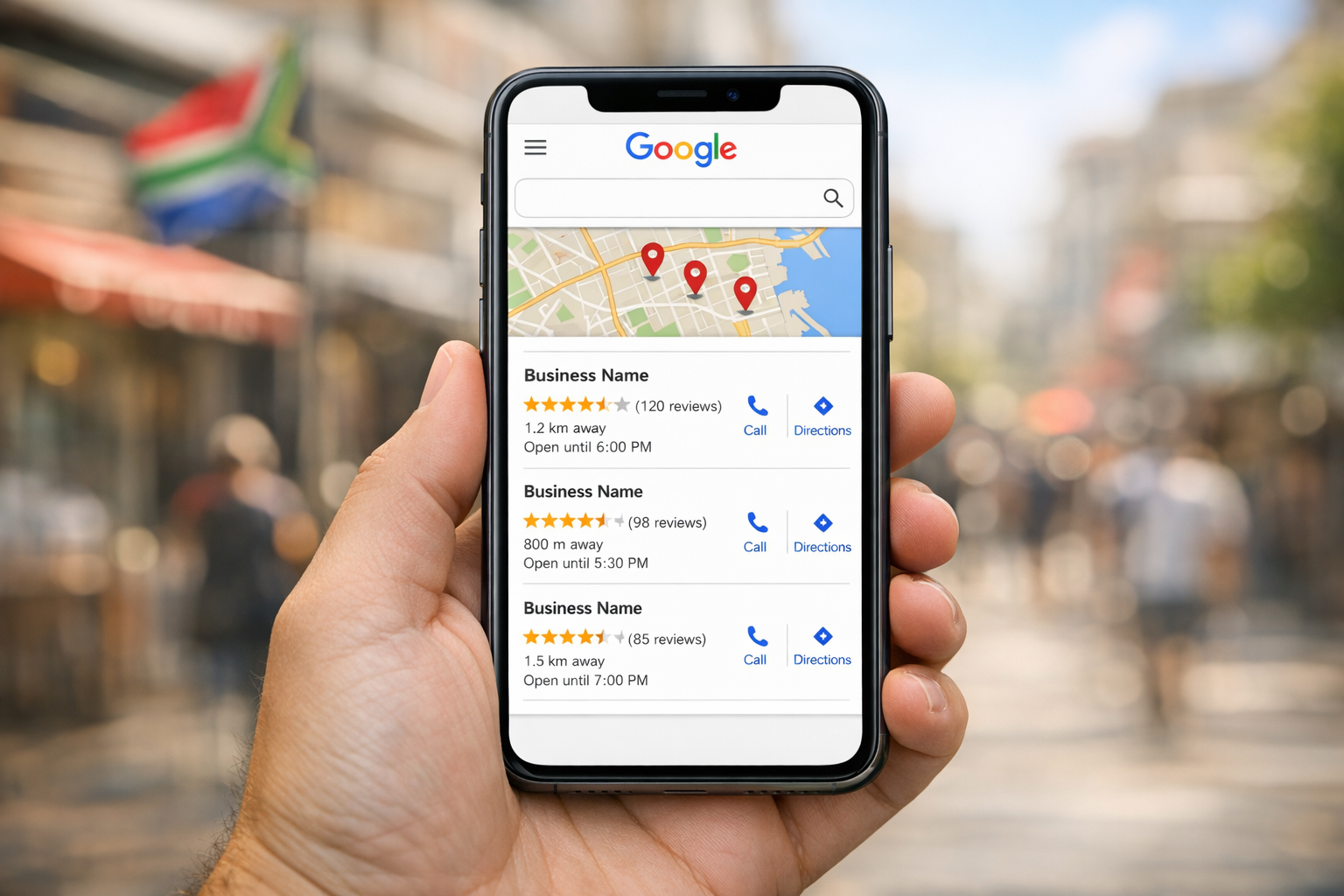
Is AI citability relevant for local businesses?
Yes, but different applications. Local SEO + AI = better visibility in location-based queries. "Best electrician in Johannesburg" might cite local AI-optimized content.
How long until AI citability becomes mainstream?
Already is. A growing share of information seekers now use AI first. That share is likely to keep rising. Start optimizing now to capture early-adopter visibility.
Ready to Dominate AI Citability?
Most SA businesses haven't even heard of AI citability, which means opportunity. We help build your topical authority, optimize for AI systems, and measure citation impact. Get ahead of the curve.
Plan Your AI Citability Strategy →